Related Concepts
Clubface Control
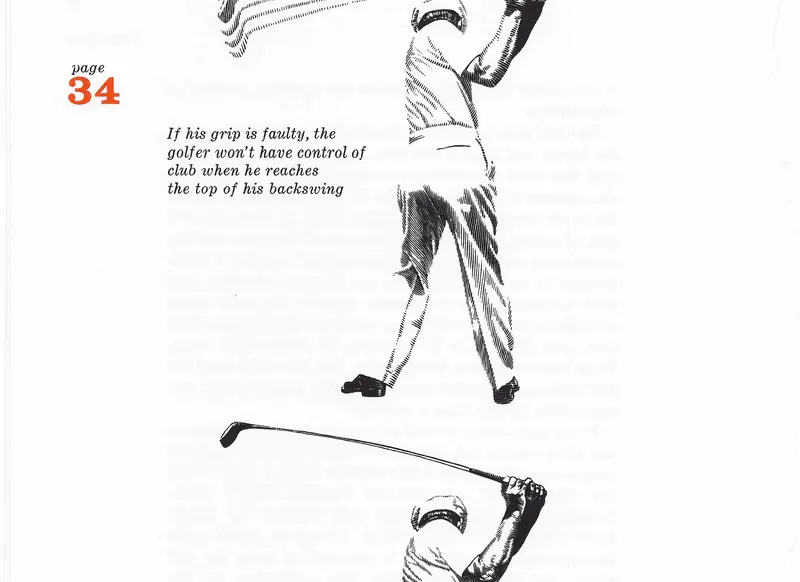
You feel like you're steering the clubface square to your target through impact, but what's actually happening is much more complex. The clubface orientation at impact — whether it's square, open, or closed relative to your swing path — is determined primarily by your grip and how your hands and forearms rotate during the swing. Most golfers think they control the face with their hands at impact, but research shows the face position is essentially locked in by the time your hands reach hip-high in the downswing. The sensation of 'hitting it straight' comes from matching your clubface angle to your swing path, not necessarily having a perfectly square clubface.
Why It Matters
Clubface control is the single biggest factor in determining ball direction — accounting for roughly 85% of where your ball starts according to ball flight laws. When clubface control breaks down, you get the big misses: hooks, slices, and those shots that start way off target. Poor clubface control creates a domino effect: you start compensating with your swing path, which leads to inconsistent contact, unpredictable distances, and lost confidence. Master clubface control, and you can miss by yards instead of fairways.
See It In Action
Result
Strike
Why
Common Misconceptions
You control the clubface by manipulating your hands at impact
The clubface position is essentially set by the time your hands reach hip-high in the downswing. Impact happens too fast for conscious hand manipulation — it's your grip and the rotation pattern you've established earlier in the swing.
A square clubface at impact always produces straight shots
Ball direction depends on clubface relative to swing path. You can have a square clubface but an inside-out path and still hit a draw, or an outside-in path and hit a fade. It's the relationship between face and path that matters.
Strong grips automatically cause hooks
Grip strength affects your natural face position, but good players learn to match their body rotation to their grip. A strong grip can actually help some players square the face more easily if they tend to leave it open.
Expert Perspectives
Eric Cogorno (Eric Cogorno Golf)
"Clubface control comes primarily from proper grip and setup — impact positions are predetermined"
George Gankas (GG SwingTips)
"You can learn to actively control the face through forearm rotation during the downswing"
Mike Malaska (Malaska Golf)
"The lead wrist position (bowed vs cupped) is the key to face control"
Monte Scheinblum
"Body rotation and pivot quality matter more than wrist positions for consistent face control"
Practice Drills
01 — Gate Drill with Alignment Sticks
Set up two alignment sticks about 18 inches apart, 10 feet in front of your ball, aimed at your target. Hit shots trying to start the ball between the sticks. This forces you to control face position at impact rather than trying to manipulate swing path. Start with short irons and work up to driver.
02 — Grip Pressure Awareness Drill
Hit balls while varying your grip pressure from 3/10 to 7/10. Notice how lighter grip pressure often helps the face square naturally through impact, while death-gripping tends to leave the face open. Find your optimal pressure where you feel connected but not tense.
03 — Split-Grip Impact Drill
Separate your hands on the grip by about 2 inches and make half-swings. This exaggerates the feeling of your lead hand controlling face position through impact. You'll quickly feel when the face is open or closed. Gradually bring hands together while maintaining that awareness.
Recommended gear
Affiliate link — we may earn a commission
Sources